Nuu Technical and Vocational College is located approximately 1 kilometre from Nuu Town in Nuu Sub County, within Mwingi Central Constituency, Kitui County. It is a fully registered, accredited, and licensed public Technical and Vocational Education and Training (TVET) institution operating under the Ministry of Education's State Department for Technical and Vocational Education and Training, and regulated by the TVET Authority.
Established as part of a government initiative to ensure that each constituency in Kenya has a technical and vocational college, the institution aims to enhance youth access to quality, skill-based training that contributes to national development through employment and entrepreneurship. Since opening its doors in 2018, the college has steadily grown, supported by a committed management team and the Board of Governors.
The first cohort of 20 students was admitted in October 2018 to programmes in electrical engineering, social work and community development, ICT, business, supply chain management, and accounting. Today, the college exclusively offers modularised technical and business courses through the Competency-Based Education and Training (CBET) model across Levels 3, 4, 5, and 6, emphasising hands-on, practical skill development aligned with industry needs.
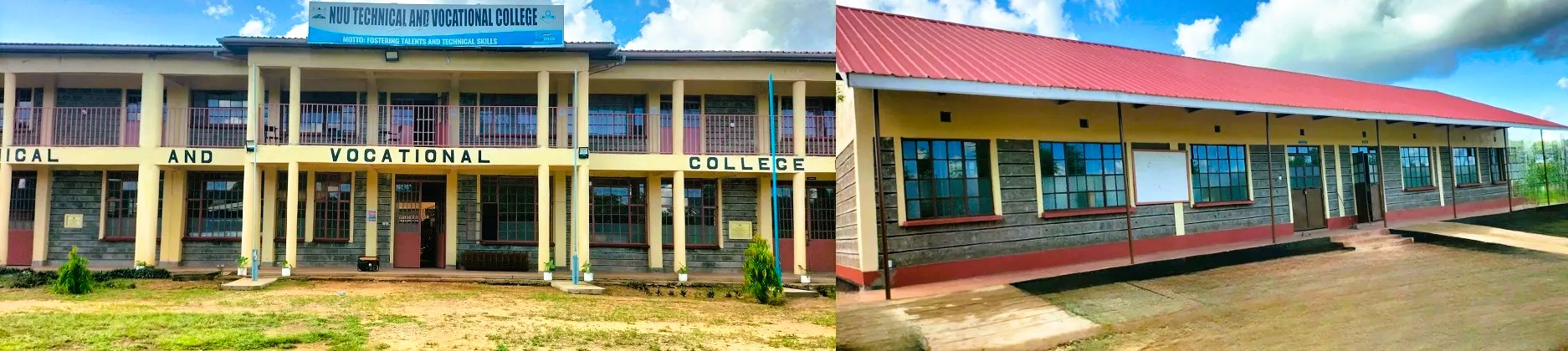 Main Administration Block
To be a Centre of Excellence in the provision of innovative Technical, Vocational Education and Training (TVET) programmes.
To impart TVET knowledge, nurture skills and attitudes through research, innovation and technology for self-reliance and national development.
"Fostering talents and technical skills."
The college offers CBET programmes at Levels 3–6 across nine departments. Each department is headed by a Head of Department (HOD), supported by a Deputy Head of Department (DHoD), Heads of Sections (HoSs), Trainers, and Technicians.
Crop production, animal husbandry, agribusiness, and environmental conservation practices aligned with sustainable development goals.
Construction technology, masonry, plumbing, and civil works preparing students for the built environment and construction industry.
Accountancy, supply chain management, marketing, and entrepreneurship, nurturing business-ready graduates for commerce and industry.
ICT, software development, networking, and data management equipping students with digital skills demanded by the modern economy.
Electrical installations, electronics, and power systems, producing competent artisans and technicians for energy and manufacturing sectors.
Garment making, textile design, beauty therapy, and hair technology for creative entrepreneurship in the fashion and beauty sector.
Food and beverage, front office operations, housekeeping, and tourism management for Kenya's growing hospitality industry.
Foundational academic and communication skills, community development, and social work programmes supporting holistic development across all disciplines.
Motor vehicle mechanics, welding and fabrication, and mechanical maintenance, producing skilled technicians for the transport and manufacturing sectors.
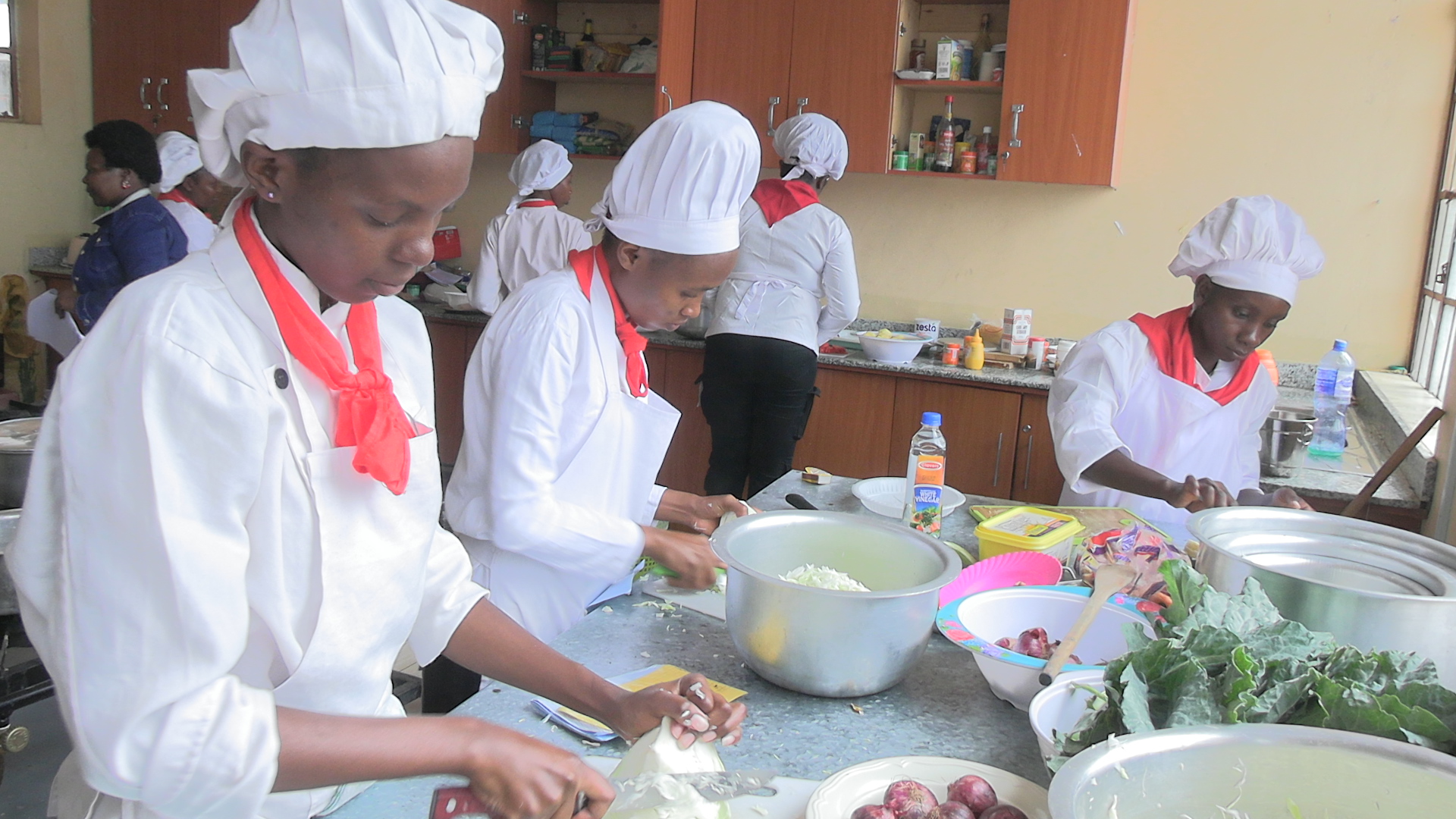
Holistic approach to student welfare, accommodation, and orientation alongside the Deputy Dean of Students (DDOS).
Transitional mentorship, career alignment, job readiness training, and alumni tracking for all graduates.
Psychosocial support, mental health awareness, and peer mentorship networks for trainees.
Talent optimisation through organised sports and democratic student representation via the Student Council.